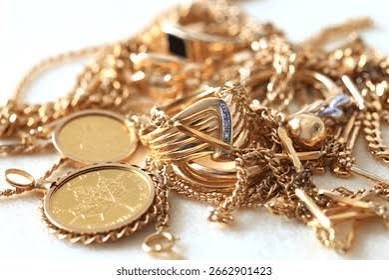
Broken, tangled, single, dated, unsigned, or still in the box — we buy precious metals, stones and quality pieces in any condition. Nothing needs cleaning, sorting or repair first.
When in doubt, have it checked out by one of our trained staff members. Gold is priced on two things: how much of it there is, and how pure it is. We test the purity in front of you, weigh it on a certified scale, and price against that day's live market. Broken pieces are worth the same per gram as perfect ones.
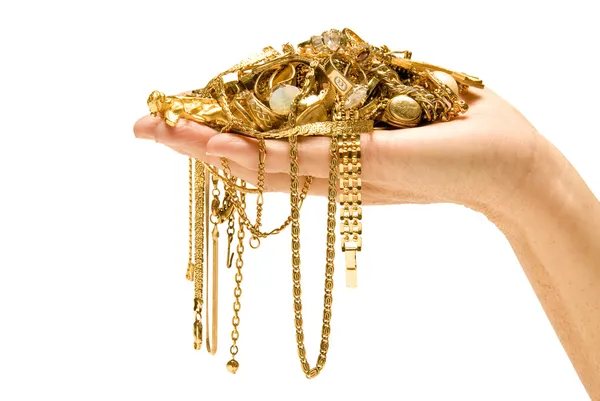
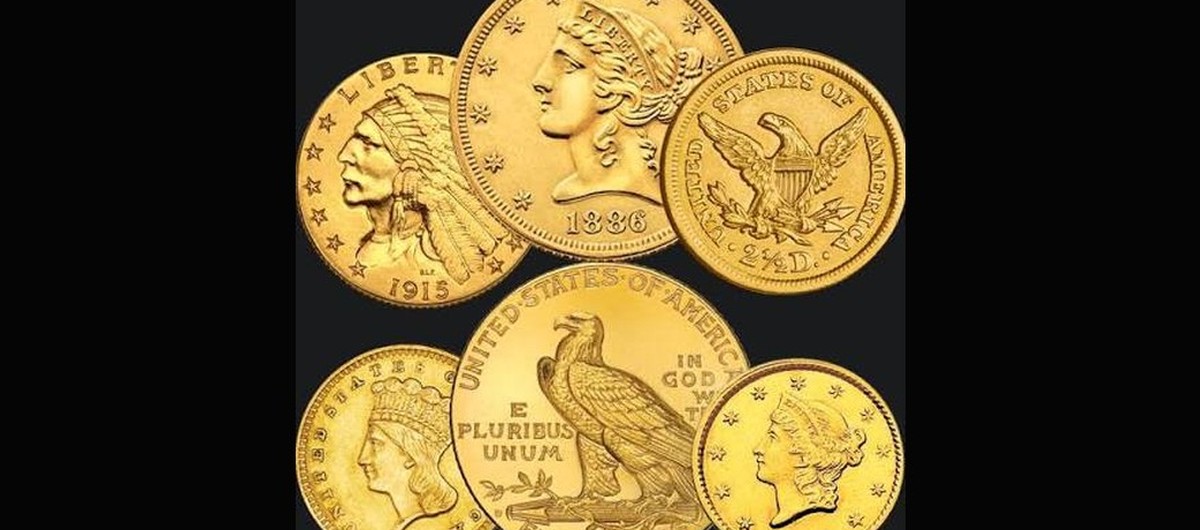
Some coins are worth their metal; some are worth many times it. The difference is date, mint mark and condition — which is exactly why a coin collection shouldn't be sold by weight. We go through it piece by piece, coin by coin, and tell you which is which — from a single inherited roll to a lifetime accumulation.
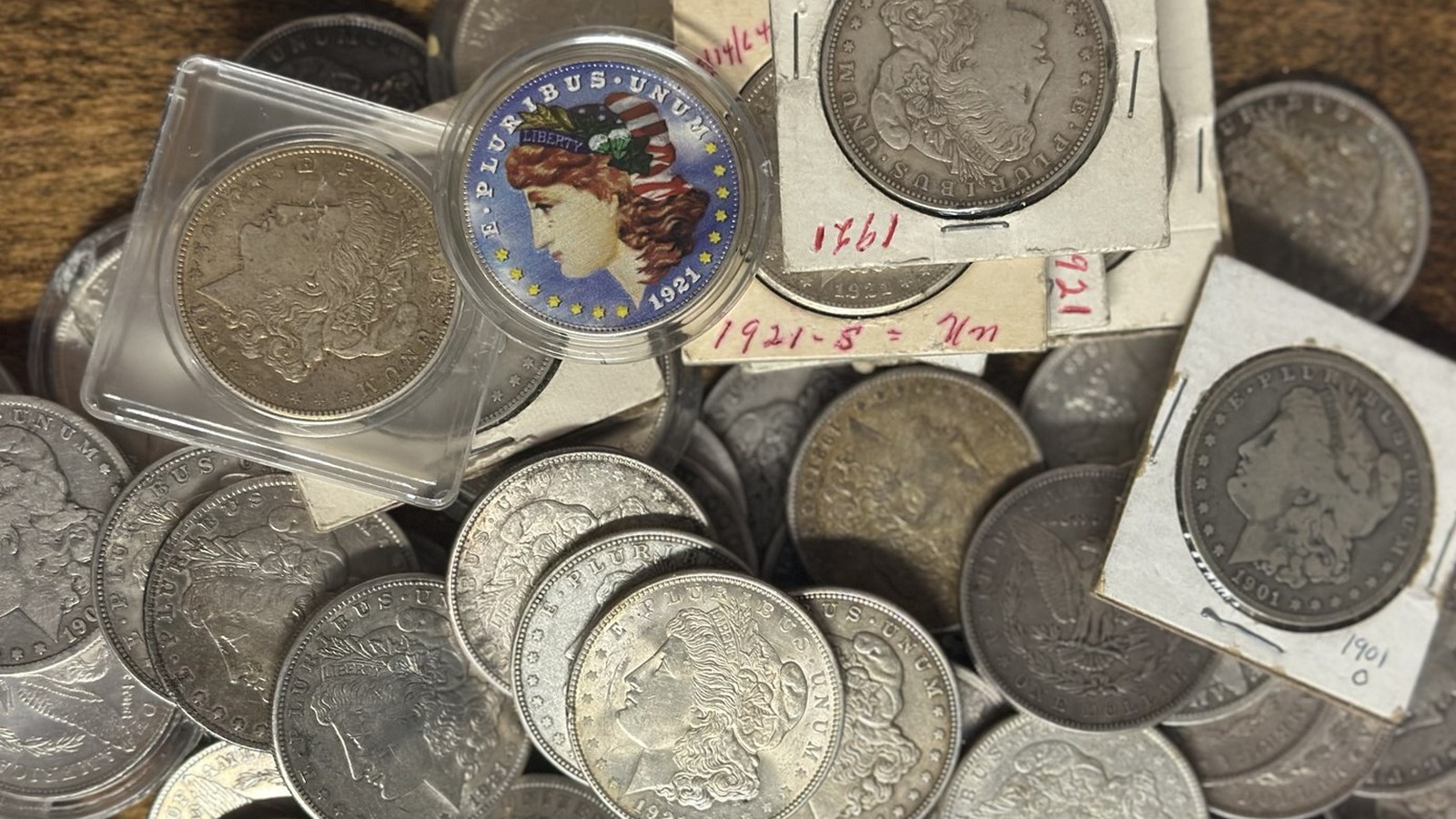
We buy costume jewelry too — and we mean it. Vintage costume has a real market, and more importantly, gold and silver hide inside jewelry boxes people assume are worthless. Bring the whole box. We sort it for free and hand back anything we don't buy.
For estates, downsizing and inherited collections, we work through the lot piece by piece and give you a breakdown — not a single number for a bag.
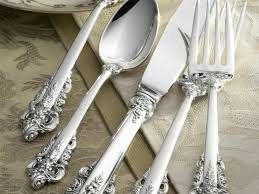
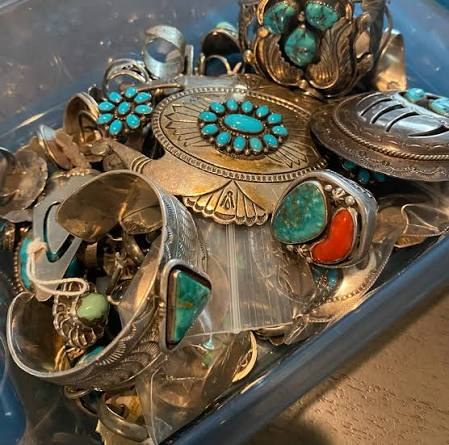
Sterling adds up faster than people expect — a drawer of flatware or a few serving pieces often carries real weight. We also see a lot of Southwestern and turquoise silver jewelry, which is priced on the silver plus the stones and craftsmanship, not melted down blind.
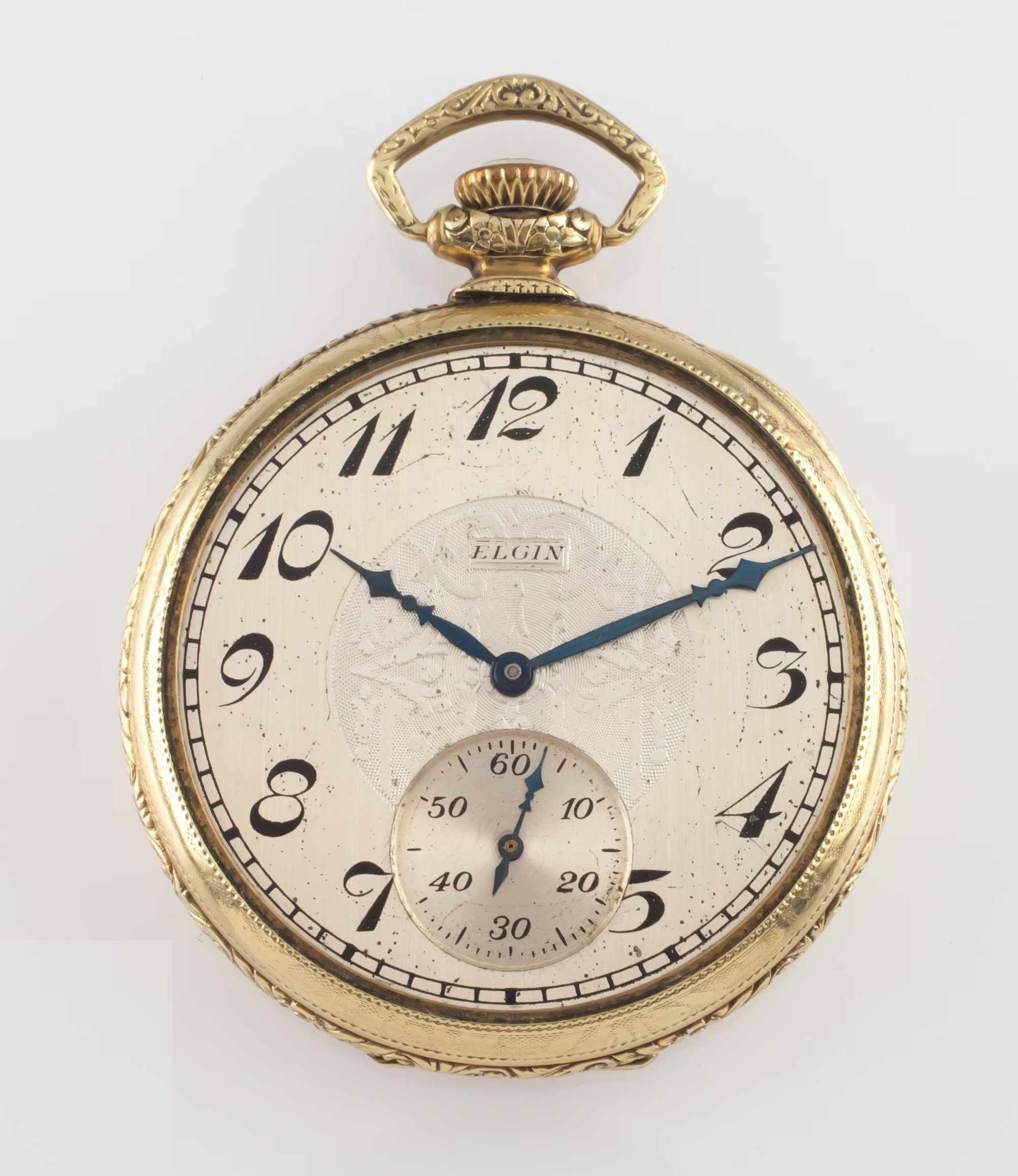
A watch that stopped working forty years ago can still be worth good money — movement, case metal and brand all carry value independently. Don't assume a dead watch is scrap, and don't have it "fixed" before selling.
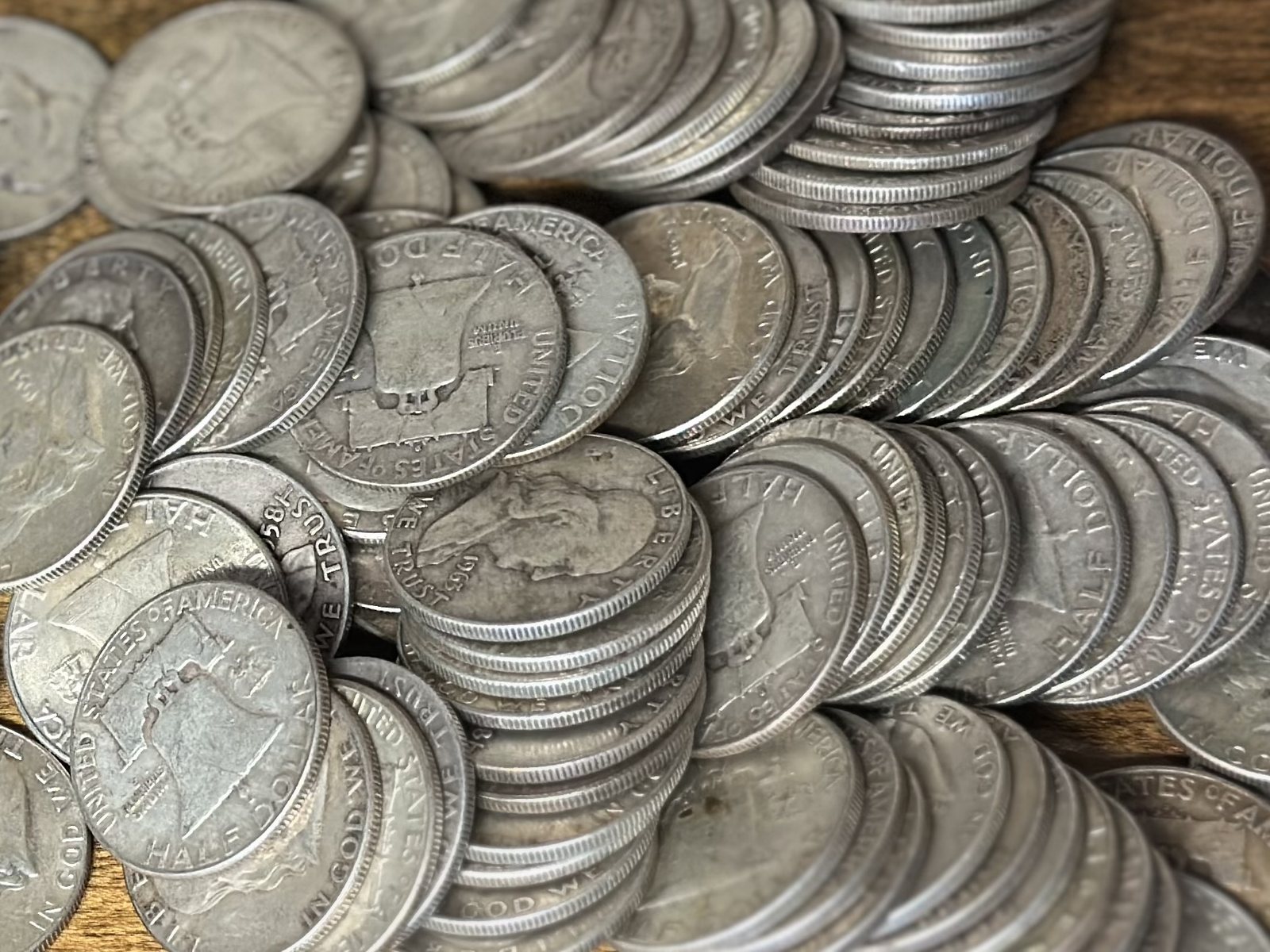
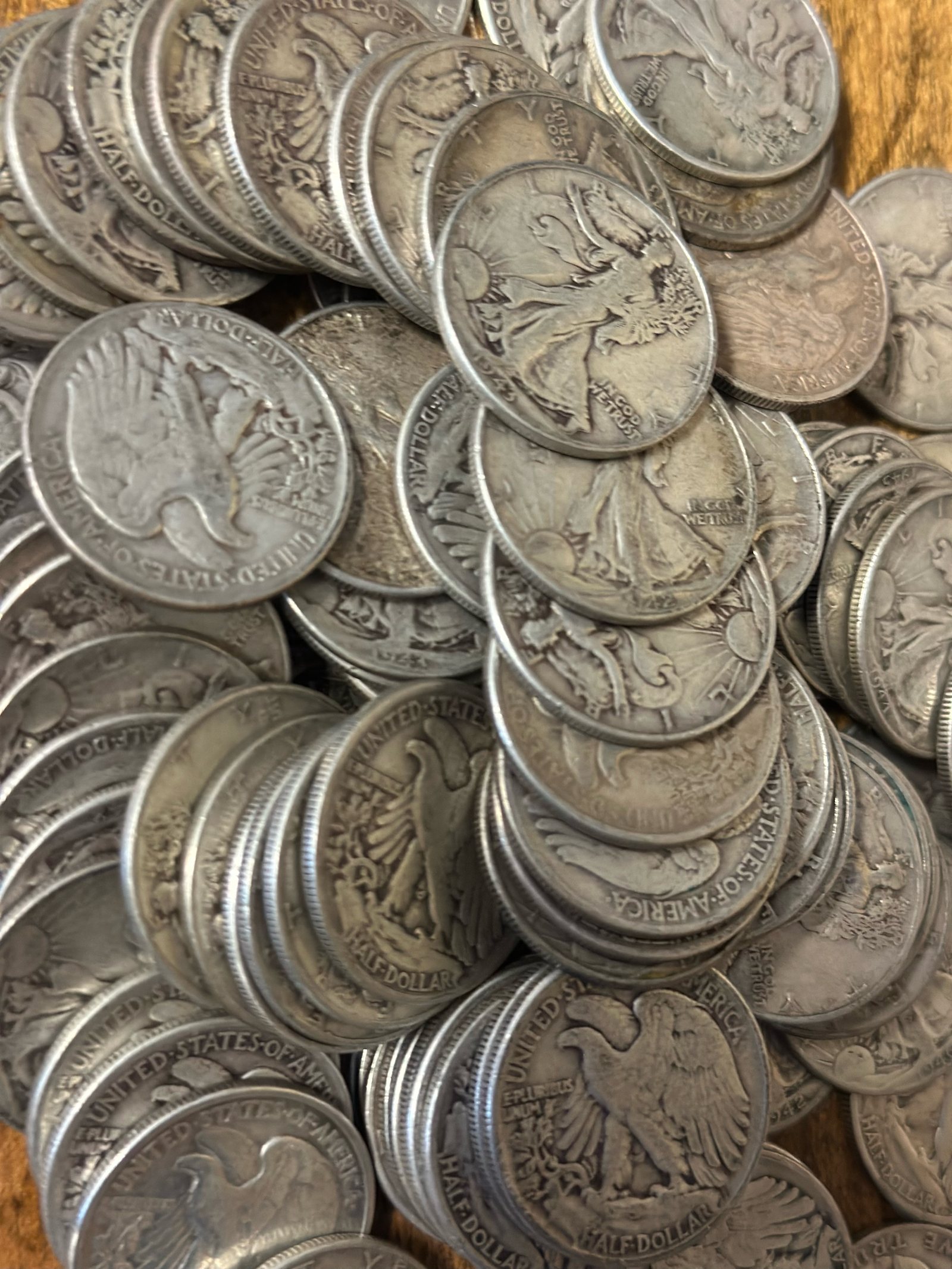
Every US dime, quarter and half dollar struck before 1965 is 90% silver, and most sell for melt value — weight times the day's spot price, same as scrap. But certain dates, mint marks and conditions carry a collector premium well above that, sometimes many times over. Franklin and Walking Liberty halves, Mercury dimes and Standing Liberty quarters are the ones most likely to be worth more than their silver content. We check every roll before pricing it as bullion.
Polishing can reduce the value of antique pieces and coins outright, and a repair almost never returns what it costs. Bring items exactly as they are.
If a piece has a meaningful stone, a maker's signature, or age, it should be quoted as a piece — not weighed as metal. Always ask which way you're being quoted.
Weight and purity times the day's market is the whole formula for scrap. Any buyer who won't show you those numbers is asking you to trust arithmetic you can't check.
A free evaluation costs you nothing and commits you to nothing. Take the number home. Compare it. Come back if it holds up — we'd rather you were sure.
That's the most common reason people call. Bring it in and find out — free, no obligation.